

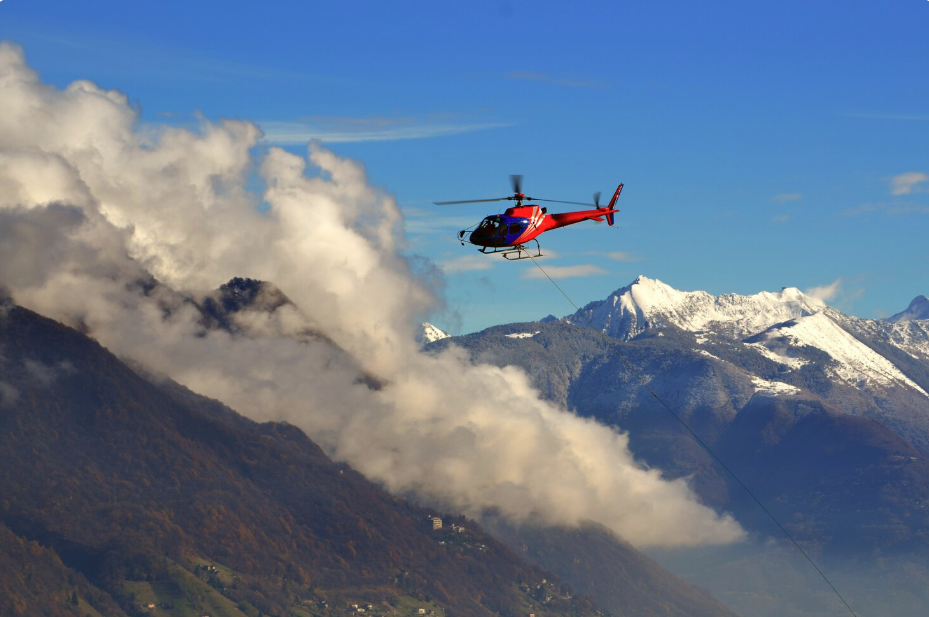
Nepal is globally renowned for its dramatic Himalayan landscapes, ancient culture, and adventure tourism. While trekking remains a popular way to explore the mountains, the Nepal Helicopter Tour has emerged as a premium alternative for travelers seeking comfort, efficiency, and unforgettable aerial views. Among all available options, the Everest Helicopter Tour stands out as one of the most iconic and sought-after experiences in the world.
This article provides an in-depth overview of Nepal helicopter tours, with a strong focus on the Everest helicopter tour, covering highlights, itinerary, costs, safety, and why this experience is ideal for modern travelers.
Overview of Nepal Helicopter Tour
A Nepal Helicopter Tour offers a unique opportunity to witness the country’s diverse geography within a short time. From lush valleys and alpine glaciers to the world’s highest peaks, helicopter tours allow travelers to access remote regions that would otherwise require weeks of trekking.
Helicopter tourism in Nepal is particularly popular among:
- Time-constrained travelers
- Luxury and high-end tourists
- Elderly travelers or families
- Photographers and adventure enthusiasts
Unlike trekking, helicopter tours do not require physical endurance, making them accessible to a wider audience.
Everest Helicopter Tour: The Ultimate Himalayan Experience
The Everest Helicopter Tour is a luxury aerial journey to the Everest region, offering panoramic views of the Himalayas and, in many cases, a landing near Everest Base Camp or Kalapatthar. This tour provides a close-up view of Mount Everest without the physical demands of a long trek.
This experience is often completed within a single day, making it one of the most efficient ways to explore the Everest region.
Key Highlights of Everest Helicopter Tour
The Everest helicopter tour is defined by several exceptional highlights:
- Scenic flight over Kathmandu Valley
- Aerial views of Langtang, Ganesh Himal, and Rolwaling ranges
- Close views of Everest, Lhotse, Nuptse, and Ama Dablam
- Landing at Kalapatthar or near Everest Base Camp (weather permitting)
- Breakfast with a view at Everest View Hotel
- Opportunity for high-altitude photography
Each of these elements contributes to a once-in-a-lifetime Himalayan experience.
Typical Everest Helicopter Tour Itinerary
Although itineraries may vary slightly by operator, a standard Everest helicopter tour follows this structure:
Early Morning Departure from Kathmandu
The tour begins with a helicopter flight from Kathmandu, offering views of terraced hills, rivers, and villages.
Stop at Lukla for Refueling
Lukla serves as a technical stop for refueling and sometimes passenger management due to altitude regulations.
Fly Over Everest Base Camp and Khumbu Glacier
The helicopter flies over Everest Base Camp and the Khumbu Icefall, providing breathtaking aerial perspectives.
Landing at Kalapatthar
Kalapatthar is one of the best viewpoints of Mount Everest. Passengers usually get 10–15 minutes for photos due to altitude constraints.
Breakfast at Everest View Hotel
On the return journey, the helicopter often stops at the Everest View Hotel for breakfast with panoramic Himalayan views.
Return to Kathmandu
The tour concludes with a scenic return flight to Kathmandu by late morning or early afternoon.
Cost of Nepal Helicopter Tour and Everest Helicopter Tour
The price of a Nepal Helicopter Tour, particularly the Everest helicopter tour, depends on several factors, including group size, season, and services included.
- Group sharing tour: Generally more affordable, cost shared among 4–5 passengers
- Private charter tour: Higher cost, ideal for families or VIP travelers
Prices typically include:
- Helicopter charter
- Pilot and crew
- Airport taxes and permits
- Landing fees
- Breakfast (if included in itinerary)
Despite the premium pricing, many travelers consider the Everest helicopter tour excellent value given the exclusivity and experience provided.
Best Season for Everest Helicopter Tour
The best time to book a Nepal helicopter tour is during stable weather seasons:
- Spring (March to May): Clear skies, mild temperatures, excellent visibility
- Autumn (September to November): Crisp weather, stable conditions, peak mountain views
Winter tours are possible but colder, while monsoon season (June to August) is generally avoided due to cloud cover and unpredictable weather.
Safety and Altitude Considerations
Safety is a critical component of all helicopter operations in Nepal. Reputable operators adhere to strict aviation and altitude safety protocols.
Key safety considerations include:
- Gradual altitude exposure during flight
- Limited ground time at high altitude
- Experienced Himalayan pilots
- Regular weather assessments
Most Everest helicopter tours are safe for healthy individuals, but passengers with serious heart or respiratory conditions should consult a medical professional beforehand.
Why Choose a Nepal Helicopter Tour?
Choosing a Nepal helicopter tour offers several advantages over traditional trekking:
- Time-efficient exploration
- No physical strain
- Access to remote and restricted areas
- Luxury and comfort
- Ideal for photography and special occasions
For travelers who want to experience Everest without committing weeks to trekking, the Everest helicopter tour is the most practical option.
Ideal Travelers for Everest Helicopter Tour
The Everest helicopter tour is particularly suitable for:
- Business travelers with limited vacation time
- Elderly travelers or families with children
- Luxury adventure seekers
- Honeymooners and special-event travelers
It is also an excellent option for those unable to trek due to health or fitness limitations.
Conclusion
The Nepal Helicopter Tour, and especially the Everest Helicopter Tour, represents the perfect blend of adventure, luxury, and efficiency. Offering unparalleled views of the world’s highest mountains within a single day, this experience has redefined high-altitude tourism in Nepal.
Whether you are visiting Nepal for the first time or returning for a new perspective, an Everest helicopter tour delivers an unforgettable Himalayan journey—one that combines natural beauty, safety, and exclusivity in equal measure.
