

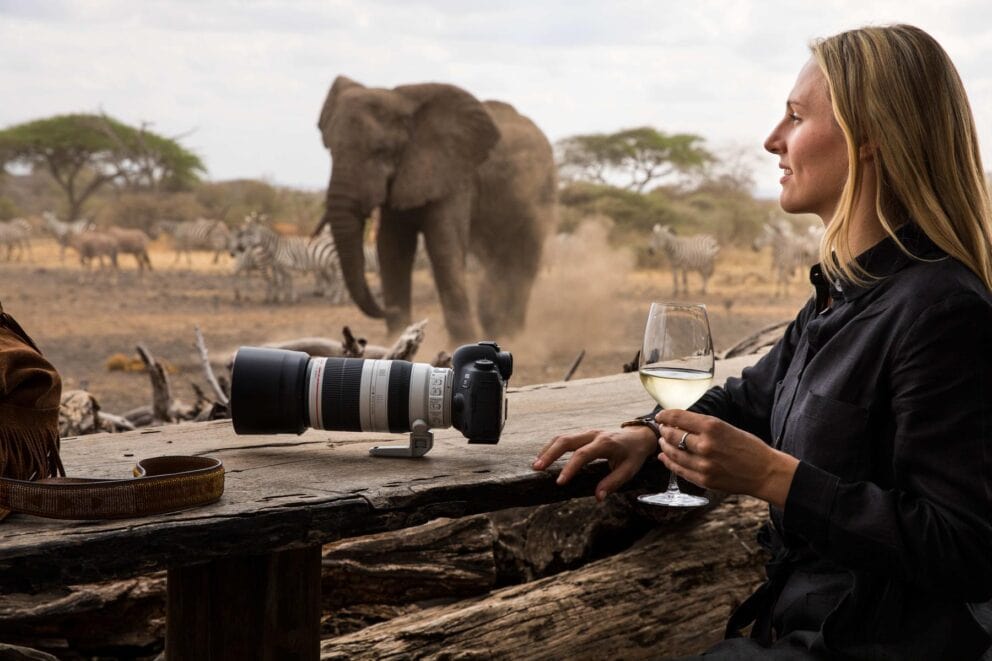
When you close your eyes and picture the African wilderness, the silhouette of an elephant moving through the bush at dusk is likely one of the first images that comes to mind. These majestic creatures are the heartbeat of the continent’s wild spaces, and for many travellers, seeing them firsthand in their natural habitat in Botswana and its neighboring countries is one of their ultimate safari goals.
While the arid sands of the Kalahari offer a unique perspective on elephant behavior and water-seeking survival, Southern Africa is home to several world-class reserves where these mega-herbivores thrive. Whether you are a researcher or simply just a lover of elephants, knowing where to find the highest concentrations of herds is the key to an unforgettable encounter.
Here are the best destinations to see these gentle giants in their natural habitat.
1. Chobe National Park, Botswana
Nicknamed the “Land of the Giants,” Chobe National Park is an elephant lover’s dream. Located in northern Botswana, Chobe is famous for having the largest concentration of elephants in the world.
- The Numbers: Elephants are migratory, and Chobe and its surrounding Kavango Zambezi Transfrontier Conservation Area support between 50,000 and 120,000 African Savanna Elephants, also called Kalahari elephants which move through the system.
- The Experience: One of the most interesting aspects of Chobe is the ability to view wildlife from the water. A riverboat cruise allows you to watch entire herds, from matriarchs to tiny, fuzzy calves, swim across the water or play in the mud along the banks.
- Why It Matters: The park’s diverse ecosystem, ranging from lush floodplains to dense teak forests, provides a vital sanctuary and a key link in the migratory corridors that connect Botswana to Namibia, Zambia, and Zimbabwe.
2. Kruger National Park, South Africa
Stretching across nearly five million acres (two million hectares), Kruger National Park is a leader when it comes to African conservation. Situated in South Africa’s northeast region, bordering Zimbabwe and Mozambique, it offers an accessible yet deeply authentic encounter with African bush elephants.
- Year-Round Viewing: Elephants can be spotted throughout the year, but the dry winter months (May to September) are particularly rewarding. As the vegetation thins, herds gather around permanent watering holes, offering spectators unforgettable sightings.
- The Big Five: Beyond the elephants, Kruger is a world-class Big Five reserve. Your search for tuskers will likely be complemented by sightings of lions, leopards, rhinos, and buffalo.
- Legacy of Tuskers: Kruger has a long history of protecting “Super Tuskers,” which are elephants with tusks of more than 6.5 feet (two meters) in length and weighing more than 100 lbs (45 kg) per side. Witnessing these genetic marvels is a powerful reminder of the importance of anti-poaching efforts.
3. Mana Pools National Park, Zimbabwe
For those seeking a more remote and rugged “Old Africa” feel, Mana Pools in northern Zimbabwe is unparalleled. This park is a UNESCO World Heritage site and is named after the four permanent pools (in Shona, “mana” means four) filled by the Zambezi River.
- Acrobatic Elephants: Mana Pools elephants are famous for a specific, learned behavior: They are known to stand on their back legs and stretch their trunks high into the canopy to reach the nutritious pods of the Ana trees (Faidherbia albida).
- Walking Safaris: Unlike many other parks, Mana Pools is renowned for its walking safaris. Guided by experts, you can experience the spine-tingling sensation that comes with being so close to an elephant on foot, observing their social interactions and quiet infrasound rumbles from a safe distance.
- Unspoiled Wilderness: Mana Pool’s lack of fences and remote feel offers a sense of seclusion and mystery that makes guests feel worlds away from the stress of modern life.
Comparison: Choosing Your Elephant Adventure
Chobe National Park: Massive herd density, with riverboat cruises.
Kruger National Park: Iconic Big Five setting, with self-drive or guided game drives.
Mana Pools National Park: Unique “standing” behavior, with guided walking safaris.
The Science of Migration and Survival
Elephants are highly migratory and water-dependent animals. The future of the African bush elephant depends on transfrontier conservation areas (TFCAs). These corridors allow herds to move freely between Namibia, Botswana, Zambia, Zimbabwe, South Africa, and Mozambique, following ancient routes in search of water and food.
By visiting these parks, you are directly supporting the protection of these vital pathways that ensure the species’ survival.
Conclusion
Whether it’s the volume of elephants in Botswana’s Chobe that calls to you, the historic tusker lineages of South Africa’s Kruger, or perhaps the acrobatic wonders of Zimbabwe’s Mana Pools, each of these destinations offers unique encounters with African elephants.
The sight of a mother elephant guiding her calf through the bush will fill you with emotions that will stay with you long after the dust of the safari trail has settled.
Your visit to these parks is more than just a vacation. By choosing to visit these protected areas, you become a vital contributor to the ongoing story of elephant conservation in Southern Africa.
